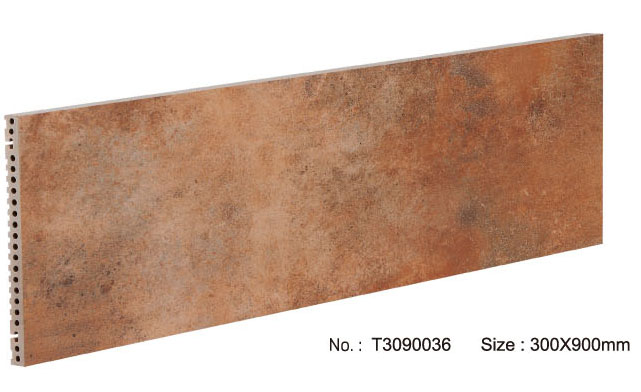
This 3D inkjet wall cladding panel comes from LOPO’s earlier porcelain-product archive. It records a digitally printed ceramic surface and a historical item description, but it does not document every component of a current wall-cladding system. That distinction matters: a panel image can communicate color, grain and proportion, while a complete facade solution remains specific to the building, product, supporting construction, interfaces and local requirements. Use this page as a design reference, then request current information for any active project.

Understanding the Archived Panel Reference

The surviving entry is associated with reference T3090036 and described the material as porcelain with 3D inkjet surface treatments. The image suggests a family of mineral-inspired finishes rather than one universal appearance. It can help a project team discuss whether the desired facade should look softly mottled, strongly veined, warm, cool or deliberately varied. It cannot confirm present supply, production consistency or suitability. LOPO should first compare the visual brief with its current architectural ceramic and terracotta range.

A concise design brief should distinguish the qualities visible in the archive from assumptions that the photograph cannot support. It might record the preferred warmth, grain direction, contrast and degree of variation, while leaving product identity and technical suitability open for confirmation. This approach lets the image remain useful without turning it into an unintended promise. It also gives LOPO a clearer basis for proposing present samples that can be compared under the project’s actual visual criteria.

Archive image of 3D inkjet porcelain wall cladding panel T3090036
Archive image for T3090036; current product identity and project suitability must be confirmed.

A Panel Is Not the Complete Cladding System

The historical title includes the word system, yet the archived content primarily identifies a porcelain panel and visual finish. It does not provide enough evidence to define a current tested or engineered assembly. For a live project, the responsible design team must evaluate the actual panel together with the complete wall concept, interfaces, environmental exposure and applicable rules. Current documentation should identify exactly which product and assembly the evidence covers.

This product-level clarity prevents an old photograph or generic description from being mistaken for approval of a particular construction. It also allows LOPO to suggest a more appropriate current category if the project is better suited to terracotta rainscreen panels, TerraFix™ products or another ceramic material path.

Developing the Printed Surface Concept

The archive named marble, petrified-wood and antique-stone effects. Each creates a different architectural reading. Marble-inspired graphics may introduce directional veins; petrified-wood imagery can create layered linear movement; antique-stone effects may produce a more mottled and weathered character. These descriptions remain historical and should not be interpreted as a current finish menu.

For a new design, define the intended background tone, contrast, pattern scale and acceptable variation. Several samples viewed together are more informative than a single piece. Elevation studies can test whether the graphic forms a coherent field, repeats too visibly or competes with windows and other facade elements. Final color decisions should rely on current physical samples rather than the archive image or a screen.

Matching the Material Direction to the Project

The old page mentioned exterior walls and a broad range of commercial, transport, residential, healthcare and education settings. Those labels are archive data, not current approvals for those uses. A present-day inquiry should describe the exact facade or wall location and the qualities sought from the surface. LOPO can then identify whether a current product warrants further evaluation.

Teams seeking contextual examples can explore LOPO’s facade project references and architectural terracotta gallery. These resources show ways ceramic color, module and texture participate in real buildings, but they do not certify this archived porcelain reference or make different product families interchangeable.

Archive Data Requiring Fresh Verification

Archive fieldHistorical entryStatus today
ReferenceT3090036 3D inkjet porcelain panelRequest a current product identity.
Recorded format300 × 900 mmConfirm current dimensions and feasibility.
Recorded colorsWhite, red, yellow, brown and greyReview present samples and color range.
Recorded surface familiesMarble, petrified wood and antique stoneConfirm the exact proposed finish and variation.
Recorded useExterior wallAssess the named product for the actual project.
Recorded certificates3C and ISO 9001:2000Historical only; obtain applicable current evidence.

Archive notice: The recorded packing, applications, format, color list and certificates are not current commitments. No archived performance, certification, production-capacity or market statement should be carried into a new specification without written confirmation tied to the proposed product.

Questions for Current Product Review

A focused inquiry helps separate visual interest from technical selection. Provide the project country, building use, wall location, approximate area, preferred finish, desired pattern variation and required schedule. Include elevations or other drawings that show how the ceramic surface relates to openings and neighboring materials.

  • Which current product category matches the intended construction role and visual brief?
  • Is a comparable inkjet surface presently feasible, and on which material and format?
  • What representative samples are available for color and pattern review?
  • Which current documents apply to the proposed product, application and destination?
  • What project-specific information is needed before feasibility and quotation can be confirmed?

For comparison, the current terracotta rainscreen page explains an actively documented facade category without treating this older porcelain panel as the same product.

Start a Project-Specific Conversation

Send the location, drawings, approximate quantity, finish references and documentation requirements to roger@lopoterracotta.com. Mention archive reference T3090036 so LOPO can understand the visual starting point and respond with current product information or a suitable alternative.

Contact LOPO for current samples, documents and project review.