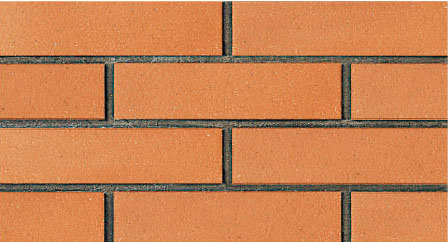
This thin terracotta wall clay brick factory page preserves a LOPO record from 2013. Image WF238 was associated with a 240 × 60 × 11 mm main brick and two corner descriptions. Thin, wall clay brick and factory are historical title terms; they do not establish a current product, thickness category, factory status, production capacity or supply offer. Old full-body, performance, application, packing and commercial fields also require present written verification.

Historic WF238 Sizes and Corner Records

The archived main dimension was 240 × 60 × 11 mm. Corner entries were (174 + 50) × 60 × 11 mm and (60 + 60) × 240 × 11 mm. These exact values help preserve the 2013 record, but none is a current dimensional promise. The old plus-sign notation is not expanded into a modern geometry or detail here.

Ask LOPO whether a present product can respond to the intended proportion and corner expression. Request verified current dimensions, available companion pieces, samples and documentation for the exact proposal before those fields enter drawings, schedules or quantities.

What the Original WF238 Image Supports

Archived WF238 thin terracotta wall clay brick image
Original WF238 image retained from the 2013 archive; current material, surface, dimensions and availability require confirmation.

The image can help describe a narrow brick-like module, fired-clay appearance and repeated wall rhythm. It cannot confirm a current product composition, texture, color range, edge character or exact relationship to WF238. Photography and screen settings affect appearance, and one image cannot define an acceptable production range.

Use the photograph as a conversation aid, then review several current physical samples. Record the proposed product, sample date and intended visual range so the design basis remains current and traceable.

Study the current pieces with the surrounding palette and at the viewing distances important to the project. A subtle clay texture may matter nearby while the repeated module dominates from farther away. Describe those appearance goals in the review record. They help distinguish what the team wants visually from what must be supported by separate current documents.

Factory Is Historical Title Language

The word factory can attract teams researching suppliers, but a 2013 page title is not evidence of current manufacturing status, facilities, capacity, quality scope, MOQ or delivery ability. Those matters must be addressed through a dated response tied to the proposed current product, quantity, destination and program.

For appearance review, describe the desired thin-brick proportion, fired-clay warmth, surface texture and corner expression. Ask for current samples and verified product information separately. This prevents a visual archive reference from becoming an unsupported supplier or capacity claim.

A current comparison sheet should distinguish product identity, sample approval, supplier evidence and commercial terms. Record document dates, stated scope and unanswered questions. If a factory, capacity or delivery statement is not supported by a current response, keep it open rather than filling the gap with 2013 language.

Separate the Tile from the Complete Wall

A visible wall tile is one element in a project-specific design. Suitability depends on the actual location, interfaces, environment, regulations and project responsibilities. The 2013 page does not define a current exterior or interior assembly, and the old use wording cannot resolve those questions. Current drawings, product information and applicable evidence should govern the review.

No generic structural or field-work instructions are provided here. Any current proposal must be developed and assessed by the responsible parties for the named project.

2013 Claims and Commercial Data

Historic main size240 × 60 × 11 mm
Historic corner sizes(174 + 50) × 60 × 11 mm; (60 + 60) × 240 × 11 mm
Historic material wordingFull-body; 2013 archive description only, current confirmation required
Historic absorption wordingApproximately 4%; archive value only
Old function labelsAcid, heat, non-slip, wear and firebrick; not current evidence
Old application fields2013 use descriptions only
Old commercial dataPacking, 20-foot-container capacity, MOQ, sample lead time and order lead time; current response required
StatusHistoric reference pending complete product-specific confirmation

Archive boundary: Old clay and full-body wording, sizes, corner descriptions, approximately 4% absorption, acid, heat, non-slip, wear, firebrick, application, packing, capacity, MOQ and delivery statements are not current proof. In particular, firebrick language is not a current fire-performance declaration for a product or wall. Request dated documents tied to the proposed current material and project scope.

Prepare a Current Thin Wall-Brick Inquiry

Share the country, building and room or facade context, drawings, approximate area, preferred fired-clay wall-brick character, neighboring materials, destination and document requirements. Explain whether WF238 and its historic dimensions are essential references. Ask for current samples, verified main and corner dimensions, composition information, applicable technical documents, packing, MOQ and lead-time basis.

Use a dated inquiry schedule to track the current product code, sample references, dimension confirmation, document scope, commercial assumptions and unanswered items. Do not treat one approved appearance sample as proof of technical or commercial claims. Keeping those review tracks distinct makes it easier to see which evidence supports each project decision.

Explore current terracotta facade tile information, terracotta cladding projects and the wall-cladding terracotta tile gallery for relevant current context. Use them to refine questions, not as evidence that another product or project applies to WF238.

Discuss a Current Thin Terracotta Brick

Contact LOPO through the contact page or email roger@lopoterracotta.com. Send the archive URL, project drawings, approximate quantity, appearance direction, destination and required documents. LOPO can respond with current product and commercial information while every 2013 specification and functional claim remains clearly historical. Ask for a dated response that ties each sample and document to the proposed product. Each response should identify its date and current scope.