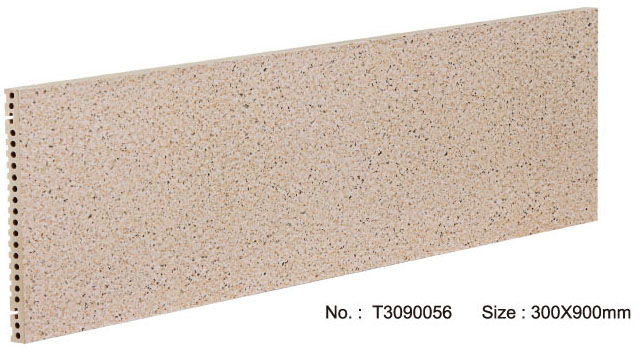
These 3D inkjet porcelain wall panels are represented by an earlier LOPO archive entry rather than a current product launch. Reference T3090056 records a printed porcelain panel once presented for exterior-wall use, with mineral and timber-inspired surface language. The image remains valuable for design discussion, but its age means that availability, color, dimensions, documentation and project suitability must all be confirmed again. A live inquiry should identify the visual objective and building context before LOPO proposes a present product or alternative ceramic direction.

Reading T3090056 as an Archive Reference

The historical item was titled 3D Inkjet Ceramic Wall Panels from China LOPO. That wording identifies the archived supplier and product category; it does not create a current specification or prove that the same model remains in production. The photograph can help teams talk about printed grain, tonal layering and a rectangular facade module. Any current proposal should carry its own product name, sample basis and relevant evidence. LOPO’s architectural terracotta product directory provides a useful starting point for comparing currently presented material families.

The archive can also support a disciplined conversation between architect, client and supplier. The team can record which qualities are essential, which are optional and which visible effects should be avoided. A current proposal may use a different reference or ceramic body while still answering that brief. Keeping the visual criteria explicit prevents the old model number from becoming the design objective and makes later sample comments clearer, more consistent and easier to communicate across the project team. It also helps reviewers explain why one current sample is preferred over another.

Archive image of 3D inkjet porcelain wall panel T3090056
Archive image for T3090056; current color, product identity and availability require confirmation.

Translate Digital Pattern into Facade Composition

Inkjet imagery works at two scales. Up close, it may communicate veins, grain or mottled texture; across an elevation, those details merge into broader bands of tone and movement. A design brief should therefore explain both the desired material character and the intended building-scale effect. The team may prefer a quiet neutral field, a directional pattern or deliberately varied areas that mark entrances and volumes.

Several representative pieces are needed to assess repetition. A single photograph cannot reveal how often a distinctive vein returns or how adjacent pieces relate. Elevation studies and a current sample set can test the pattern without prescribing a generic arrangement. They also help identify whether the printed surface supports or competes with windows, metalwork and neighboring wall materials.

Compare Porcelain with Other Ceramic Material Paths

The archive identifies porcelain, while much of LOPO’s current architectural range centers on natural-clay terracotta products. Those categories should not be treated as interchangeable. Printed porcelain may be considered for a controlled graphic effect; architectural terracotta may be selected for its own fired-clay color, profile and surface character. The appropriate route depends on the project’s construction role, appearance and required evidence.

Recording the reason for the preferred direction improves later review. If stone-like imagery is essential, say which tone and grain qualities matter. If the goal is simply a warm ceramic facade, a naturally colored or textured terracotta option may deserve comparison. Current samples, not the archive label, should support the decision.

Frame Applications as Questions, Not Old Claims

The historical entry associated T3090056 with exterior walls and generic building categories including malls, stations, apartments, hospitals and universities. Those labels are preserved as archive context only. They do not show that one panel is currently suitable for every climate, jurisdiction or building type. A new inquiry should identify the exact wall location, exposure and design role.

For broader context, review LOPO’s architectural facade references and terracotta rainscreen gallery. These pages can help teams discuss scale and material identity, but they do not verify T3090056 or transfer the characteristics of one ceramic family to another.

Historical Data—Verify Every Field for Current Use

Archive fieldHistorical entryCurrent-project status
ReferenceT3090056 3D inkjet porcelain panelObtain a current product designation.
Recorded format300 × 900 mmReconfirm dimensions and production feasibility.
Recorded colorsWhite, red, yellow, brown and greyReview current samples and allowable variation.
Recorded surfacesMarble, petrified wood and antique stoneConfirm the exact present finish.
Recorded useExterior wallAssess the named current product for the project.
Recorded certificates3C and ISO 9001:2000Historical only; request applicable current evidence.

Archive notice: Historical colors, format, surface names, applications, packing and certificates do not establish current supply, performance, capacity, certification or compliance. They should remain clearly labeled as old data until LOPO confirms the proposed product in writing.

Prepare the Information Needed for Review

A useful project request names the country, building use, wall location, approximate area, desired finish and schedule. Share elevations, visual references and the required document list. This lets LOPO separate product feasibility from aesthetic interpretation and respond with information relevant to the actual inquiry.

  • Confirm the current material and product family under consideration.
  • Request representative samples across the expected color and pattern range.
  • Ask for current dimensions and production feasibility in writing.
  • Identify the project standards and destination-market requirements.
  • Coordinate final selection through the responsible design and facade professionals.

Teams considering natural-clay alternatives can compare the archive image with LOPO’s current terracotta rainscreen overview.

Request a Current Ceramic Panel Proposal

Send the project location, drawings, approximate quantity, preferred visual character and required documents to roger@lopoterracotta.com. Mention T3090056 as the archive reference, not as a confirmed current model, so LOPO can identify the most relevant next step.

Contact LOPO for current samples and project support.