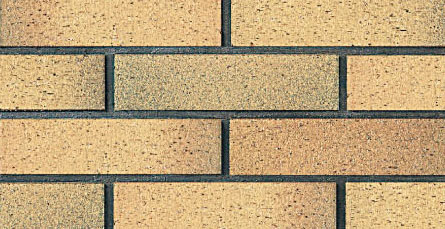
Light Color Clay Material Terracotta Decorative Bricks preserves a LOPO page from 2013. The archive associated WRS2301 with a 240 × 60 × 11 mm main format, two corner descriptions, full-body wording and old functional and commercial fields. Light color, clay material and decorative are historic title clues. They do not establish a current color range, composition, environmental quality, product or complete wall solution. Current conclusions require labelled samples and dated material and project evidence.
Review the 2013 Wall-Brick Entry
The archive included main and corner dimensions, approximately 4% water absorption and broad acid, heat, non-slip, wear and firebrick wording. It also contained applications, packing, 20-foot-container capacity, minimum order, sample timing and order lead-time fields. Every item is preserved as history rather than a current specification or quotation.
| Archived main format | 240 × 60 × 11 mm |
|---|---|
| Archived corner formats | (174 + 50) × 60 × 11 mm or (60 + 60) × 240 × 11 mm |
| Archived construction wording | Full-body tile |
| Archived absorption field | About 4% |
| Archived title cues | Light color, clay material and decorative; archive title wording only, current sample and material confirmation required |

The original WRS2301 image remains once as archived. It can support early decorative-brick discussion, but it does not prove current composition, environmental qualities, wall suitability or production.
Light Color Requires Current Samples
Light color may describe cream, pale clay, sand, buff or another historic direction, but the title and web image do not establish a current undertone, range or finish. Ask LOPO for a representative labelled set tied to one current product. Compare pieces with adjacent materials under relevant lighting.
Record lighter, typical and darker outcomes, sample dates and viewing conditions. Keep the archive image as context and the physical current range as the appearance basis.
Clay Material and Decorative Need Verification
Clay material is old title wording, while full-body appeared in the archive. Neither is a current composition declaration or an absolute environmental conclusion. Request current material information identifying the proposed product, issuer, date and scope. Decorative remains an appearance goal rather than a performance claim.
Maintain separate but linked records for samples, material evidence, verified dimensions, project documents and commercial terms. This page gives no generic structural or field-work instructions.
Use Archived Formats Only as Design Cues
The 240 × 60 mm face can inspire fine horizontal courses or vertical texture. The corner notations may trace former return pieces, yet they do not confirm current geometry, tolerance, colour matching, compatibility or supply. Request dated drawings for every proposed field and corner unit before updating elevations and quantities.
Qualified professionals must coordinate the building-specific substrate, movement, interfaces and wall proposal with current system information. This page offers no generic loads, spans, support spacing, anchors or installation instructions. If the current tile differs from the archive, revise design records, sample approvals and procurement information together.
Keep material and function claims historical
Archive boundary: full-body material wording, the main and corner dimensions, about 4% absorption, acid, heat, non-slip, wear and firebrick functions, uses, packing, 20-foot-container capacity, MOQ, sample timing and order lead time belong only to the 2013 page.
None of the old function terms establishes present performance, classification or project suitability. Heat-resistant or firebrick language is not a current fire conclusion. Ask for dated reports or declarations that identify the exact proposed product, specimen, method, result, scope and market. Let qualified project reviewers decide which criteria and approvals apply.
Reconfirm available sizes, surface, light-color range, corner units, quantity, packaging, minimum order, production window, delivery and payment in a current quotation. Keep samples, drawings, evidence and commercial records traceable to the same candidate so information from different tile families is not mixed.
Explore current products and project ideas
Review LOPO’s current terracotta tile overview for present colors, surfaces and formats.
Browse terracotta projects for narrow modules and facade rhythm.
Visit the architectural terracotta gallery to compare brick, tile and panel references.
Use the LOPO contact page for current samples, drawings and documentation.
Reference projects can sharpen colour and scale decisions, but their exact materials, assemblies, evidence and approvals do not transfer automatically.
Request Current Light-Color Decorative Brick Information
Share the project country, wall location, elevations, approximate area, desired light-color decorative texture, clay palette, corner conditions, destination and documentation needs. Mention WRS2301 and the archived main and corner formats as source references, not confirmed current specifications.
Email roger@lopoterracotta.com or use the contact form. Request current product identification, representative labelled samples, verified dimensions, applicable evidence and current commercial terms.
Create a dated comparison register for product code, appearance, dimensions, corners, sample role, drawing revision, evidence and commercial status. Keep visual approval separate from technical and supply review. If a successor product is offered, use its current identifier consistently and preserve the 2013 page only as a historical reference.
Before approval, confirm that current field and corner samples, drawings, evidence and commercial records all use the same product identity. If any item changes, update the comparison register so the archive cannot overwrite the live selection. Ensure each current material document states its date, issuer, exact product identity and scope.
When comparing options, note whether each specimen is a production sample, color-range sample or mock-up reference. Photograph it with its label and retain the physical piece. Record the reviewer, date, lighting, adjacent materials and approval status. This chain of custody helps teams distinguish an archived web image from the live selection and prevents an unlabelled light-colored piece from silently becoming the basis for drawings or orders.
Before release, confirm that the decorative appearance, current product drawings, evidence and commercial response all refer to the same cladding tile.
